
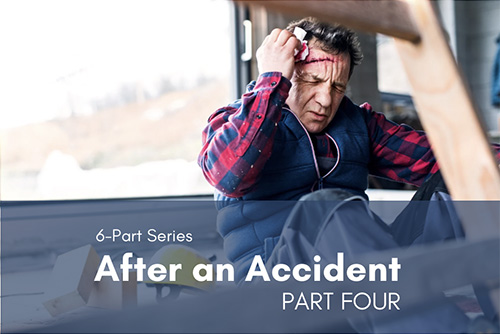
Understanding how claims help individuals and communities recover
View the series:
PART 1: The First 30 Days
PART 2: After a Claim Is Filed
PART 3: Understanding a Personal Injury Settlement
PART 5: When a Claim Moves to Litigation
PART 6: As the Laws Continue to Evolve
In the first three articles in our After an Accident: What to Expect series, we’ve focused on what happens after an accident, from the first days of recovery to the claims process and understanding how settlements work.
In Part 4, we’re stepping back to explore a broader question: Why do personal injury claims exist in the first place?
For many people, the answer may seem obvious. Someone is injured, a claim is filed, and compensation is paid if appropriate. But the purpose of the civil justice system extends beyond a single case. At its best, it provides a structured way to help people recover after having been harmed while encouraging individuals, businesses, and organizations to take reasonable steps to keep others safe.
Injuries Affect More Than Health
Many of the routines we rarely think about are built on a simple idea: people should act responsibly to help keep others safe. Whether it’s maintaining a sidewalk, inspecting a workplace, manufacturing a consumer product, or driving through a neighborhood, thoughtful decisions and reasonable precautions can prevent injuries before they happen.
Personal injury claims exist because real losses occur. These claims provide a legal process for determining responsibility and, when appropriate, helping an injured person recover some of what was lost. While no legal outcome can erase an injury or restore lost time, the process is designed to address the financial and personal consequences that often follow an unexpected event.
Accountability Helps Everyone
Another important purpose of the civil justice system is accountability.
Living in a community means recognizing that our everyday actions can affect the people around us. Whether at home, on the road, or at work, we all play a part in helping to create safe environments for others. Drivers should operate their vehicles responsibly, property owners should address unsafe conditions, businesses should provide reasonably safe environments for customers (and employees), and manufacturers should design and produce products that meet established safety standards.
When those responsibilities are not met, and someone is harmed as a result, the civil justice system provides a structured way to evaluate what happened and determine whether compensation is appropriate. Accountability is not about punishment. Instead, it is about recognizing when preventable harm has occurred and providing a fair process for addressing it.
Safer Communities Benefit Everyone
That process can have benefits that extend beyond a single case.
Throughout history, civil claims have often contributed to conversations about improving safety. Vehicle manufacturers have redesigned products after defects were identified. Businesses have updated policies and training. Property owners have corrected dangerous conditions. Consumer products have been recalled or redesigned when safety concerns have become apparent.
These improvements are rarely the result of one lawsuit alone. More often, they come from a combination of consumer complaints, government oversight, scientific research, and lessons learned through the legal process. Together, these efforts can help reduce future injuries and make communities safer for everyone.
For example, agencies such as the National Highway Traffic Safety Administration continue to investigate vehicle safety issues and oversee recalls. In contrast, the U.S. Consumer Product Safety Commission works to identify hazardous consumer products and help prevent future injuries. These efforts, along with scientific research, consumer reporting, and the legal process, all contribute to improving public safety.
This is one reason personal injury law is often described as serving both private and public interests. While an individual claim focuses on helping one person recover, the broader legal system also encourages people and organizations to recognize risks and take reasonable steps to prevent similar harm from happening again.
The Facts Matter
Of course, not every accident results from negligence. Some injuries occur despite everyone’s best efforts to act responsibly. The civil justice system recognizes that distinction as well. Determining whether someone is legally responsible requires careful evaluation of the facts, and every case must be considered in its own circumstances.
For people who have never been involved in an injury claim, the legal process can feel unfamiliar or even intimidating. Headlines often focus on large settlement amounts or courtroom verdicts, but they rarely tell the stories of the people behind those cases. They do not show the months of recovery, the disruption to family life, or the financial strain that often accompanies a serious injury.
More Than A Legal Process
Most people never expect to become part of the civil justice system. They expect that if someone else’s negligence turns their life upside down, there will be a fair process to help them move forward.
Understanding why injury claims exist helps put those stories into context. At their core, they are not about creating opportunity from misfortune. They are about providing a path forward when someone’s life has been unexpectedly changed by an accident.
While no legal process can make someone whole again, it can provide resources that help ease financial burdens, encourage accountability, and support recovery. At the same time, the lessons learned through the civil justice system can contribute to safer roads, workplaces, products, and communities.
If you’d like to learn more about your legal options after an accident, our personal injury team is available to answer your questions and help you understand the process.
Looking Ahead
In the next installment of our After an Accident: What to Expect series, we’ll explore how personal injury laws continue to evolve and what those changes may mean for individuals and families navigating the legal process.
If You Have Questions
Every accident is different, and so is every recovery. If you have questions about your situation or would like to better understand your options, contact us. We’re here to help you make informed decisions with confidence.
Disclaimer
The content provided is for general information purposes only. Please refer to the disclaimer of Carter Wolden Curtis, LLP for more details.